
## Metadata
- Author: [[Timo dechau|Timo Dechau]]
- Full Title:: Sunsetting Product Analytics
- Category:: #🗞️Articles
- Document Tags:: [[Product analytics|Product Analytics]],
- URL:: https://substack.timodechau.com/p/sunsetting-product-analytics
- Finished date:: [[2024-10-08]]
## Highlights
> In that previous post, I mentioned that all the vendors who created and defined the product analytics category were already on their way out. Amplitude was moving towards including marketing analytics capabilities, aiming to become a "customer experience platform". Mixpanel was following suit. Heap was acquired by ContentSquare, so they're now a content experience platform. ([View Highlight](https://read.readwise.io/read/01j9pbpfs1v4m50f92z23v9n8v))
> Amplitude announced the public availability of their native Snowflake connector, allowing you to run Amplitude directly on your Snowflake data. ([View Highlight](https://read.readwise.io/read/01j9pbs4kwrcjnyk4aqptn3ytz))
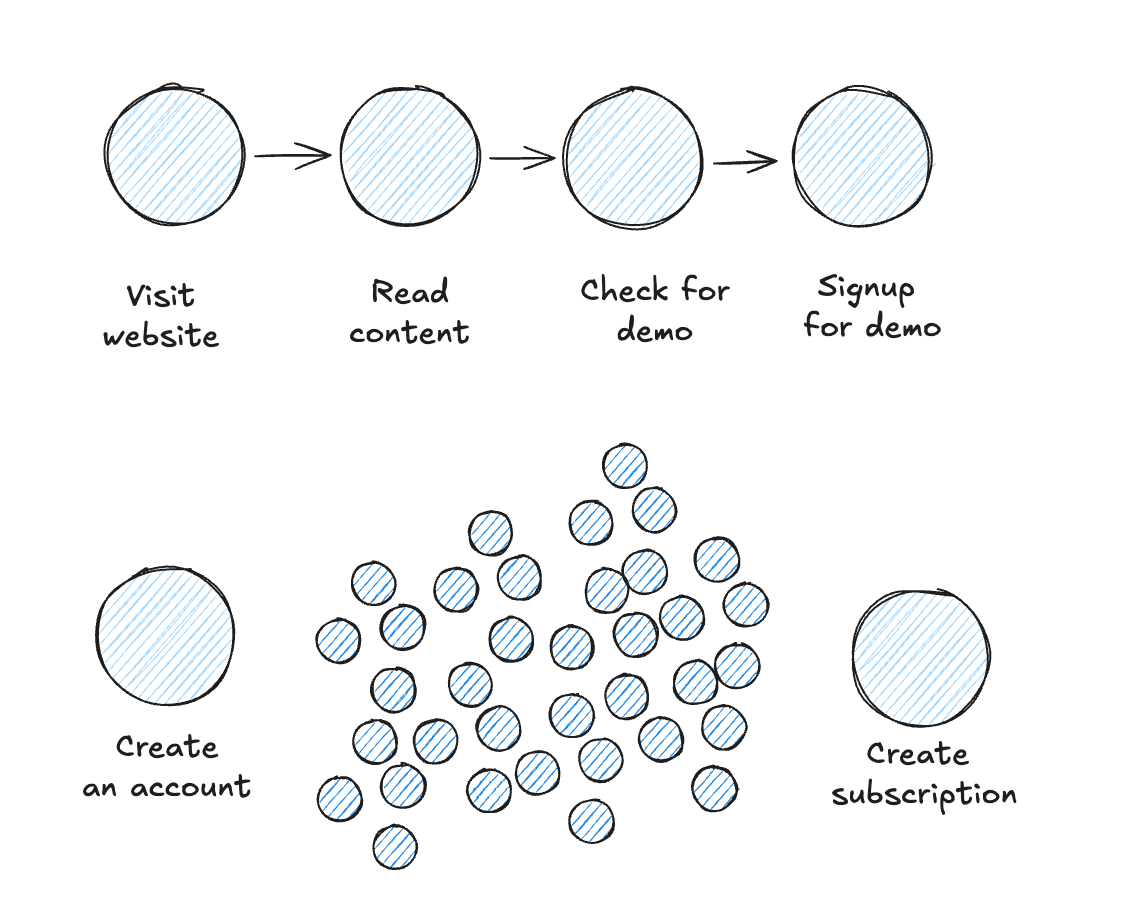
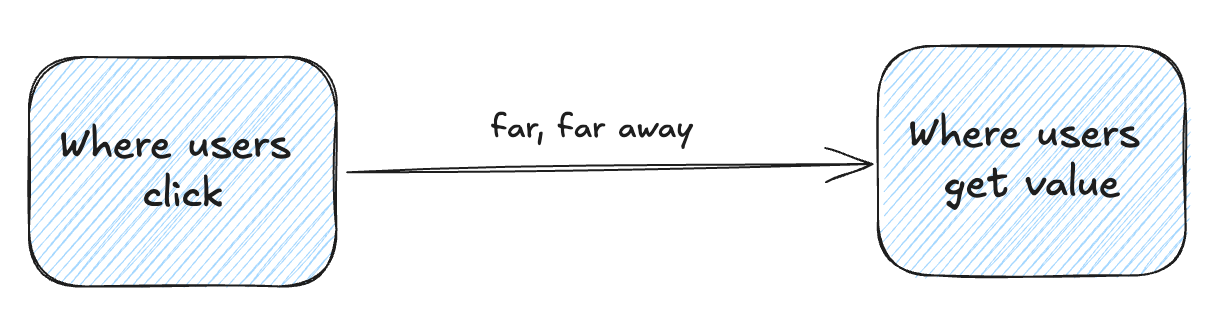
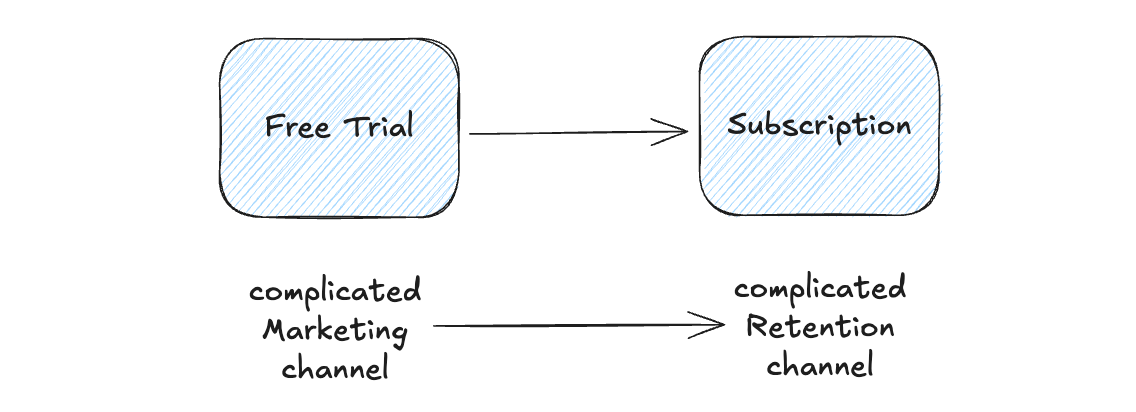
> The complexity of product analytics stems mainly from its primary target group: product managers. This group is not inherently averse to data or uninterested in analytics. Rather, their role is so multifaceted and resource-intensive that data analysis often takes a back seat. ([View Highlight](https://read.readwise.io/read/01j9pbt71j2es0y8d5aam4fznz))
>  ([View Highlight](https://read.readwise.io/read/01j9pbvbbxg2amb6j13y20twtw))
>  ([View Highlight](https://read.readwise.io/read/01j9pbvbdzj0ddtabrba978mq6))
>  ([View Highlight](https://read.readwise.io/read/01j9pbxam3x2qq12mmf8h5agft))
>  ([View Highlight](https://read.readwise.io/read/01j9pbxap3fy4vmfvxdsdbw035))
>  ([View Highlight](https://read.readwise.io/read/01j9pbxfyk9eaj62c8bn0n0n43))
>  ([View Highlight](https://read.readwise.io/read/01j9pbxg0qg3ays8ta1g6h606s))
>  ([View Highlight](https://read.readwise.io/read/01j9pbxxzvt4tgktwdvwh8qacm))
>  ([View Highlight](https://read.readwise.io/read/01j9pbxy1w3t86r5cv9nx8q40q))
> see different trends in where classic product analytics vendors are heading. Some are moving towards what they call "customer analytics." I toyed with this term for a while, thinking it might be the answer. But I've come to realize that customer analytics falls into the same trap as product analytics - it's too granular. ([View Highlight](https://read.readwise.io/read/01j9pbyf9hvww50zx0vrs5s44x))
> Financial departments are starting to realize that the metrics they've been working with are purely output metrics - things like revenue, which are the result of many preceding factors.
> While it's crucial to have an overview of output metrics, they're not the right level for operationalizing insights. You can't walk into a room and simply say, "We need to make more revenue." You need to break it down to an operational level.
> This is where business analytics is evolving. ([View Highlight](https://read.readwise.io/read/01j9pbzk47sa5nvkgd8njx3fkf))
> What I'm hoping for is a next generation of business analytics tools based on event data. Why? Working in product analytics, I've seen the power of event data structures. ([View Highlight](https://read.readwise.io/read/01j9pc0319qqjjhj6x9zjyythm))
> This is why I'm concerned about what happened to NetSpring, which I'd consider a next-generation business analytics tool. Whether they were too early or something else didn't work out, I still hope to see other BI tools move in a similar direction. ([View Highlight](https://read.readwise.io/read/01j9pc0chwrd9gp0sns0511npg))